EU’s Carbon Border Adjustment Mechanism: What exporters need to know
CBAM is no longer just a reporting requirement; it is a measurable cost for every imported good
Learn more about supply chain reductions
Discover how SCRs can count as a real emissions reduction under CBAM
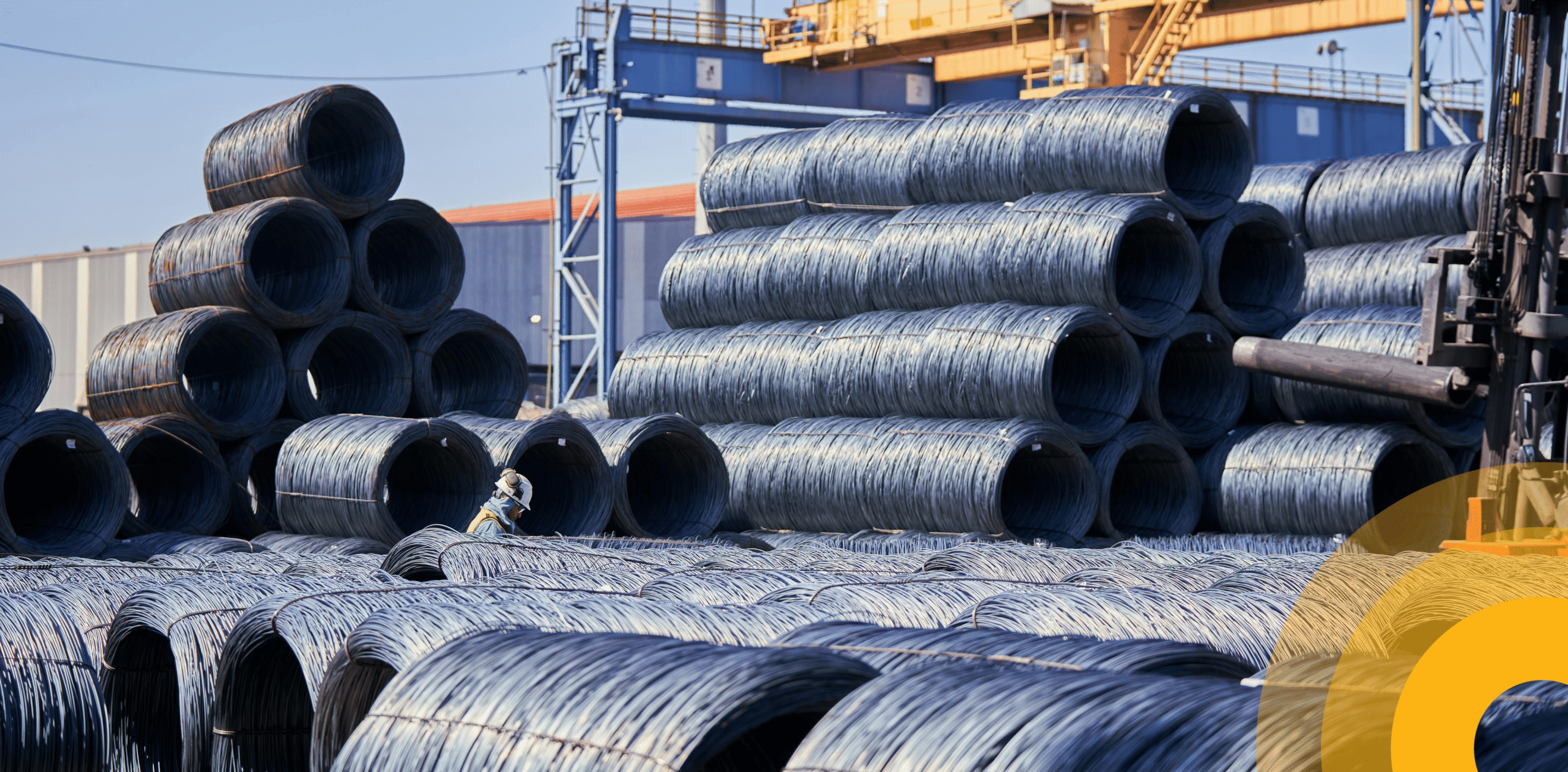
The European Union’s Carbon Border Adjustment Mechanism (CBAM) has officially entered its definitive phase as of January 1, 2026.
The first certificate price has been published, and a wave of competitive disruption for exporters to the EU has begun. In other words, CBAM is no longer just a reporting requirement but a measurable cost for every imported good.
Why exporters should care, despite not paying the bill
CBAM certificates are surrendered by EU importers, not by exporters, but the cost may quickly be passed back to suppliers.
While EU importers will not begin purchasing and surrendering CBAM certificates until 2027, the emissions data collected in 2026 will determine future CBAM liabilities, making this the first year in which CBAM has tangible commercial consequences for exporters.
As a result, EU importers may be more willing to pay higher prices for verified low-carbon products and lower prices for high-carbon ones. In practice, that means exporters face two distinct risks:

Where production is more emissions-intensive than competing supply, imported goods will cost European buyers more.
Where exporters cannot supply verified facility-level emissions data, EU importers must fall back on default emission values plus a markup — 10% in 2026, rising to 30% by 2028.
US spotlight
The Bipartisan Policy Center has noted that the US-assigned default values for iron and steel are “consistently higher than the estimates reported by the International Trade Commission in January 2025,” meaning US producers can be penalized simply for inadequate measurement infrastructure.
To rephrase it, CBAM can be an opportunity for exporters with emissions data to back up their claims and gain a competitive advantage.
How does CBAM work?
The mechanics
CBAM covers six sectors: cement, fertilizers, iron and steel, aluminum, hydrogen, and electricity. The mechanism applies to imports of over 50 tonnes per calendar year (excluding electricity and hydrogen) and imposes a carbon price on goods entering the EU that matches the price of the EU Emissions Trading System (EU ETS).
The first quarterly CBAM certificate price was published on April 7, 2026, at €75.36 per tonne of CO₂e. Prices are set to update quarterly in 2026, and weekly from 2027 onwards. EU importers must pay this price per tonne of the embedded emissions of the products they import annually, in the form of CBAM certificates.
The coverage of embedded emissions varies by sector:
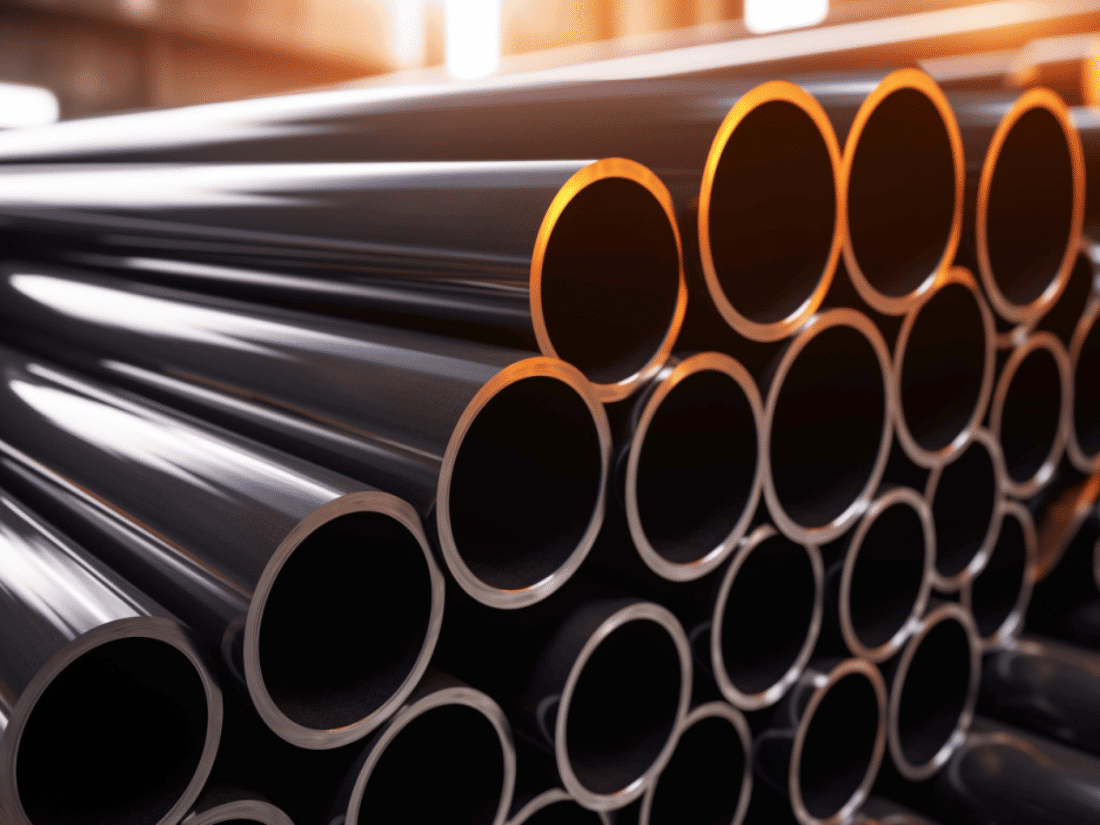
Iron and steel, aluminum, and hydrogen currently cover only direct emissions -> think of scope 1 emissions, such as fuel combustion.
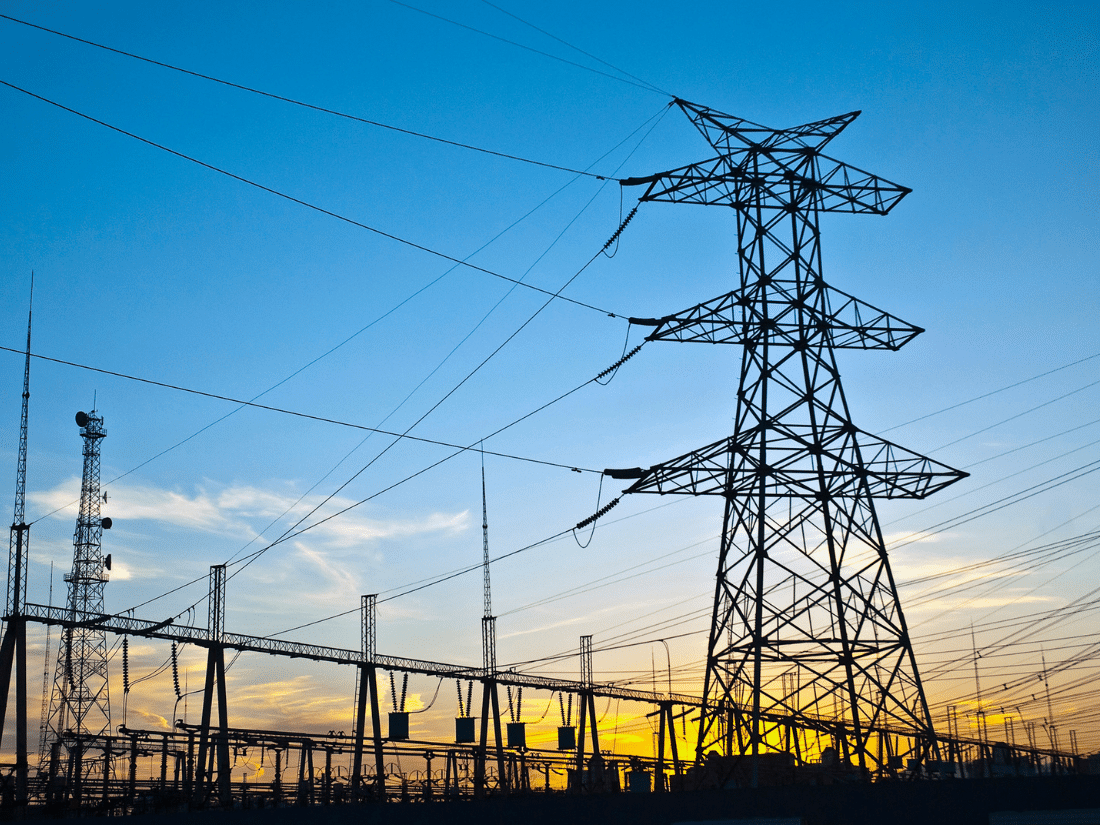
Cement and electricity cover both direct and indirect emissions -> think of scope 1 and scope 2 emissions, such as electricity consumption.
What counts as a real emission reduction (and what does not)?
CBAM only credits real and traceable emissions reductions tied to the production site of the imported good. Bear in mind that some of the emission reduction measures you are implementing now may not be allowable when calculating CBAM-embedded emissions.
❌ NOT ACCEPTED
- Unbundled market-based certificates: Market-based claims based solely on unbundled green certificates (RECs and RTCs) are explicitly prohibited as a means of reducing embedded emissions.
- Virtual power purchase agreements: As VPPA’s provide certificates unbundled from electricity, and therefore lack the required physical traceable link between electricity generation and consumption, they cannot be used to claim reduced embedded emissions.
✅ ACCEPTED
- Physical PPAs: Physical delivery and hourly matching of generation to consumption, robust metering and third-party verification.
- Bundled biomethane: Bundled certificate with actual biomethane that is physically injected into the gas grid and allocated to the production of the CBAM good, compliant with the EU’s Renewable Energy Directive (RED II) sustainability and GHG-savings criteria. Compliance is evidenced via a valid Proof of Sustainability from an EU-recognized scheme or by canceling the relevant quantity in the EU Union Database once fully operational.
- Supply chain reductions: Must be traceable to verifiable emissions reductions at the actual facility producing the CBAM goods.
The three priorities for exporters

The gap between verified data and default values, plus the markup, is the single largest controllable variable in CBAM exposure.
US spotlight: For iron and steel exporters, the country defaults are punitively high.
Physical PPAs, RED II-compliant bundled biomethane, and facility-level supply chain reductions are all eligible levers.
With a real EU price now on the table, there is a defensible reference point for evaluating decarbonization capex on any EU-facing facility.
Sector spotlight
of

CBAM applies to ammonia, nitrogen fertilizers including urea, and some other nitrogenous compounds. Phosphate- and potash-focused US producers sit largely outside the current scope.
According to S&P Global, “about 717,000 metric tons of seaborne ammonia were imported to the EU in Q1, compared to 787,000 mt in fourth-quarter 2025. The clearest change from the commencement of the CBAM’s definitive phase was a fall in US imports — with only 40,000 mt imported in Q1 compared to about 90,000 mt in Q4.” Under CBAM, US products also have the second highest default emission intensity.
Fertilizers, particularly ammonia and urea, are where CBAM is hitting US producers first and hardest.

CBAM covers a wide range of steel and aluminum products from rolled steel to aluminum wire and tubes to steel nuts, screws, and bolts.
US steelmakers face punitive default emissions values. For producers, CBAM exposure depends on data quality and measurable reductions. Especially alloy, wire, tube, pipe, and fastener producers that can document verified, facility-level emissions will preserve EU market access.
Those relying on country-level default values risk being priced out of sales.

From January 1, 2028, the Commission has proposed extending CBAM to capture steel- and aluminum-intensive downstream products where embedded emissions and carbon leakage risks are highest.
The proposal has not yet been adopted but has received public backing from EU producers. The expansion could add as many as 180 new products, such as auto components, machinery parts, and appliances, to the scope of CBAM. This would greatly increase the number of US-based companies affected by the regulation.
Navigating CBAM as an EU importer
For EU importers impacted by CBAM, our climate strategy experts are ready to provide guidance and support in navigating and implementing next steps.