Filter Insights by:

For Okta, an innovative San Francisco-based identity company, addressing its impact on the climate is a foundational component to one of its three Environmental, Social, and Corporate Governance (ESG) pillars. While the company understood the need to confront its greenhouse gas (GHG) emissions, Okta was at the very beginning of its decarbonization journey and, like […]
3Degrees’ Carbon Markets Director, Stephanie Harris, discusses why organizations should consider investing in carbon project development as a way to address their emissions footprint and meet long-term GHG reduction goals. Watch the video
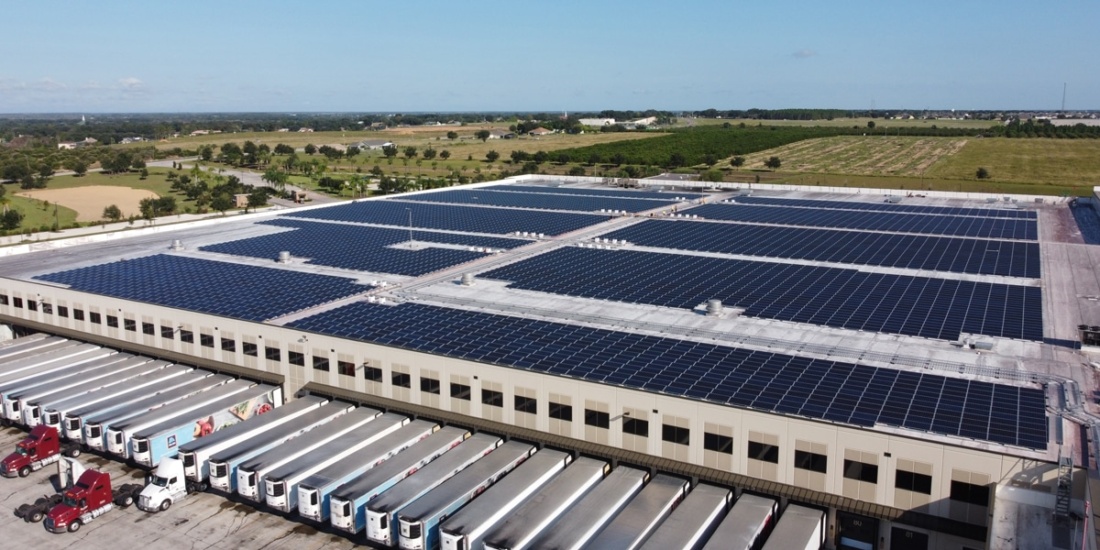
Protecting the environment has been a priority for ALDI for many years. In 2014, the company began implementation of its first international climate strategy, which included the goal of reducing its greenhouse gas (GHG) emissions by 30% per square meter of sales area by 2020. In 2021, ALDI South, which includes ALDI U.S., went a […]

Integrated voluntary renewable products will help utilities go carbon-free faster, in partnership with customers. The 2020s must be a decade of energy transformation like no other. This moment offers an opportunity for future-focused utilities — those pursuing aggressive decarbonization goals and deeper customer connections — to fully activate voluntary renewable energy products as an essential […]

More organizations than ever before are setting climate goals, such as net zero, carbon neutrality, or SBTi goals. In this first article of a two-part series, we outline the key action areas to help companies get started on their journey to zero.

Organizations around the world are increasingly focused on setting and achieving ambitious GHG reduction targets including net zero emissions, carbon neutrality, and science-based. However, with evolving methodologies and tools, understanding available options and developing a strategy for achieving these targets can be challenging. This white paper, “The Evolution of Corporate Climate Commitments: The Role of […]

Before your organization can go to market with a PPA, there are some important criteria that must be considered. Most companies are familiar with the financial aspect of evaluating PPAs, but this decision should not solely be about the numbers. Qualitative factors must also be considered in the process in order to properly evaluate co-benefits, […]

Across the OEM motor vehicle aftersales space, transportation is a significant spend – approximately 7-8%(1) of sales. Further, the transportation sector has now surpassed the power sector as the largest emitter of greenhouse gases (GHGs) in the United States, responsible for over 29%(2) of total emissions within the U.S., and 24%(3) globally. This trend largely is driven by […]

As I reflect on 2020 and our goals for the new year, I’m humbled by the enormity of the challenges we face. During his inauguration as the 46th President of the United States, Joe Biden’s remarks noted cascading crises, including “A raging virus. Growing inequity. The sting of systemic racism. A climate in crisis.” Throughout […]
Adam Capage, VP of Corporate and Regulatory Affairs discusses available pathways, incentives, and key considerations for organizations looking to address their transportation emissions. Watch the video
As more organizations commit to net zero targets, it has become increasingly important for them to develop plans to address their residual emissions – the emissions that remain after implementing strategies to reduce all internal emissions as quickly as possible. But it’s not always straightforward to determine all the options available or what approach will […]

As we have previously discussed, the European PPA market for corporate buyers is witnessing a dramatic uptick in activity in 2020, and is poised for continued growth in the coming years. U.S.-headquartered technology firms have been some of the first movers, but a variety of other buyers from different sectors and countries (spanning both the […]