Sustainable Healthcare and Pharma Decarbonisation Solutions
3Degrees provides low carbon healthcare solutions for pharma, consumer health and medical device manufacturers.
Get in touch
Complete this form to get started today.
Decarbonising Global Healthcare Supply Chains at Scale
Pharmaceutical companies, consumer health brands, and medical device manufacturers are transforming how we prevent, diagnose, and treat disease, but this innovation comes with a growing climate footprint. From complex global pharma and medical device supply chains to energy‑intensive products and production sites, healthcare organisations face a distinct set of emissions challenges that require targeted, scalable decarbonisation solutions.
At 3Degrees, we partner with large pharmaceutical, consumer health companies, and medical device manufacturers to tackle these challenges head‑on. Our team brings deep sector expertise and practical climate solutions that help clients scale renewable energy, decarbonise heat, engage suppliers and customers, and implement credible healthcare decarbonisation strategies that deliver measurable emissions reductions across scopes 1, 2, and 3.
Healthcare Industry Climate Solutions
Low carbon healthcare solutions for pharma, consumer health and medical device manufacturers
Complex value chain emissions reductions
 Why? In healthcare and pharma, 75–95% of emissions are scope 3, often concentrated in Category 1 Purchased Goods and Services.
We meet your suppliers wherever they are in their climate journey and make it simple for them to scale their climate action, resulting in reductions across your healthcare value chain.
- 3Degrees’ Supplier REach platform, backed by referring partners Microsoft, Meta, Visa, and BlackRock, drives decarbonisation by helping suppliers adopt renewable energy across the value chain.
- Our Clean Energy in the Value Chain programme identifies sources of emissions in your value than are best addressed via direct action on behalf of your suppliers and/or customers.
- 3Degrees’ indirect mitigation programme, Supply Chain Reductions (SCR), expands investment in verified carbon reduction projects within your supply chain, in line with your Science Based Target Initiative (SBTi) targets.
Global renewable energy procurement
 Why? Healthcare facilities are energy‑intensive operations running 24/7, from hospitals and pharmaceutical manufacturing to R&D sites.
We will help you source high-impact, local, and 24/7 carbon-free energy that aligns with your decarbonisation targets and supports sustainable healthcare strategies.
Our team will work with you to procure large volumes of renewable energy through power purchase agreements (PPAs) or virtual power purchase agreements (VPPAs) to meet your ambitious climate goals. From stakeholder education and procurement strategy to requests for proposals (RFPs), negotiations, and ongoing monitoring, we handle every step.
Biomethane procurement for hard-to-abate emissions
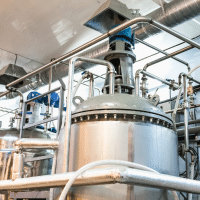 Why? Pharmaceutical and medical manufacturing sites are gas‑intensive and require significant thermal energy, making heat decarbonisation a critical priority.
3Degrees will design custom low‑carbon strategies that reduce scope 1 emissions at critical drug manufacturing and healthcare sites, align with EU and national regulations, and minimise regulatory and market risk. We support heat decarbonisation through biomethane and renewable natural gas (RNG) strategic consulting, market intelligence, supplier education, portfolio management, and procurement.
Carbon removal procurement for residual emissions
 Why? Like many industries, healthcare has unavoidable emissions.
We provide access to a wide range of credible and additional carbon portfolio options that reduce or remove emissions elsewhere, to account for your remaining footprint. Our team guides you through carbon strategy development, procurement, and portfolio management to ensure measurable, high-integrity outcomes aligned with your sustainable healthcare objectives.
Industry Partners
In collaboration with with leading organisations and non-profits.
A Guide to Healthcare Decarbonisation Roadmap
Healthcare organisations are under growing pressure to cut emissions. From rising energy costs to tightening disclosure rules, it can be daunting to know where to start and make progress in a way that works for pharmaceuticals, medical devices, and manufacturing sites.
To help, we have created a healthcare decarbonisation roadmap tailored to pharma, consumer health, and medical device manufacturers, whether you are just getting started or accelerating mature climate programmes.

Healthcare Industry Sustainability FAQs
Why is decarbonisation such a priority?
Decarbonisation is a priority because climate change is creating physical risks for businesses and communities, from heatwaves and extreme weather to disrupted supply chains and resource scarcity. Companies across sectors face increasing regulatory pressure, investor scrutiny and customer expectations to cut GHG emissions in line with global net zero goals. Reducing emissions helps organisations manage long‑term risk, lower energy and operating costs, protect brand value and secure access to markets where low‑carbon performance is rapidly becoming a licence to operate.
It is especially central to healthcare because climate change is already harming human health and widening health inequalities, not just the environment. Leading healthcare and pharmaceutical companies increasingly view cutting emissions as part of their core mission to protect public health and ensure long‑term resilience of care systems and supply chains.
Which European regulations are most relevant for healthcare decarbonisation?
Key regulations include CSRD, which raises the bar on climate and value‑chain emissions disclosure for large companies operating in Europe. The EU F‑Gas Regulation directly affects products such as inhalers and anaesthetic gases, for example, with the phase‑out of desflurane due to its very high global warming potential. Healthcare organisations must also comply with the EU Waste Framework Directive’s waste hierarchy, pushing them towards prevention, re‑use and recycling for medicines, devices and packaging.
Where do most scope 1 emissions come from in healthcare and pharmaceuticals?
Most scope 1 emissions in healthcare and pharma come from stationary combustion of fossil fuels for heat, steam, and on‑site power generation in factories, laboratories, and hospitals. Manufacturing medicines is highly heat‑intensive, so gas and oil‑fired boilers, combined heat and power (CHP) plants, and similar assets dominate direct emissions profiles. Additional scope 1 contributions come from company vehicle fleets and fugitive emissions, including anaesthetic gases, nitrous oxide and refrigerant losses from HVAC and cold‑chain systems.
What role does renewable energy play in healthcare decarbonisation?
Companies can reduce their emissions from purchased electricity, steam, heating, and cooling by switching to renewable energy sources. This means actively procuring 100% renewable electricity for their operations, whether through onsite solar installations, PPAs, VPPAs, or energy attribute certificates (EACs).
Renewable energy is a core lever for cutting scope 2 emissions from electricity use in hospitals, manufacturing sites, and research facilities. Healthcare and pharma companies are increasingly shifting to renewable electricity through PPAs, on‑site solar, and participation in large‑scale renewable energy programmes.
What is the role of biomethane in decarbonising heat?
Biomethane is a renewable gas that can directly replace fossil natural gas in existing boilers, combined heat and power (CHP) units, and process heat systems, making it a practical lever for decarbonising hospital and pharmaceutical manufacturing heat without major infrastructure changes. Because it is chemically very similar to natural gas, upgraded biomethane can be injected into the gas grid or delivered via certificates, allowing healthcare organisations and drug manufacturers to cut scope 1 emissions from steam generation, sterilisation, space heating and high‑temperature process heat while maintaining reliability and tight operational constraints.
For many healthcare and life sciences sites, full electrification of heat is technically challenging or expensive in the near term, especially where high, constant temperatures are required or where grid capacity is limited. In these “hard‑to‑abate” settings, biomethane offers a credible transition pathway that complements electrification and efficiency measures by using existing gas assets more sustainably and reducing lifecycle GHG emissions compared with fossil gas.
In Europe, policymakers see renewable gases such as biomethane as an important part of the net zero mix, with EU ambitions to scale domestic biomethane production significantly by 2030 to help decarbonise heating and industry. Healthcare organisations can access this growing market through certified biomethane solutions that ensure traceability and alignment with EU sustainability rules, enabling them to claim robust scope 1 reductions and demonstrate progress against climate and regulatory commitments.
What are scope 3 emissions and what are the main drivers in healthcare?
Scope 3 emissions are all indirect GHG emissions that occur across an organisation’s value chain, outside its own operations and purchased energy. They include upstream emissions from purchased goods and services, capital goods, transport and distribution, business travel and waste, as well as downstream emissions from the use of sold products, end‑of‑life treatment and investments.
In healthcare and life sciences, the largest driver of scope 3 emissions is usually Purchased Goods and Services, which includes raw materials, active pharmaceutical ingredients (APIs), packaging, contract manufacturing and logistics. The use of sold products, such as propellant‑based inhalers and energy‑intensive medical equipment, is another major contributor, accounting for over half of some companies’ total footprints.
How significant are scope 3 emissions in healthcare and pharma?
Scope 3 value chain emissions typically account for the vast majority of healthcare and pharma carbon footprints, often in the range of 75–95% of total emissions depending on the sub‑sector. For large pharmaceutical manufacturers, scope 3 frequently exceeds 90% of their footprint, meaning most of the climate impact sits upstream and downstream in the supply chain, rather than within a company’s own facilities or purchased energy.
How does decarbonising healthcare supply chains support health equity?
Lower‑carbon healthcare supply chains mean reduced air pollution, less exposure to hazardous waste and more resilient access to essential medicines in a changing climate. Because climate and environmental harms fall hardest on low‑income and marginalised communities, decarbonisation helps narrow health inequalities as well as emissions. By linking environmental performance with social outcomes, healthcare organisations can align their climate strategies with their core public health and equity mandates.
How are medical device manufacturers addressing the carbon impact of product use?
Medical device manufacturers are focusing on reducing the energy demand of equipment and enabling lower‑carbon use in hospitals and clinics. For high‑load devices such as MRI scanners, the electricity consumed in use can be a dominant emissions source, so companies are redesigning systems for higher efficiency and working with customers on renewable energy or greener power from sources such as wind and solar. Device makers are also exploring circularity and design for disassembly to cut lifecycle emissions from materials, packaging, and end‑of‑life.
How are healthcare companies aligning decarbonisation with their financial strategy?
Decarbonisation is being embedded into long‑term financial planning, capital allocation, and risk management. Many companies use internal carbon pricing, scenario analysis, and science‑based targets (SBT) to guide investment decisions in energy, manufacturing, research & development (R&D), and supply chain transformation. This approach positions climate action as a driver of cost savings, resilience, and brand value, not just compliance.
How are healthcare and pharma companies tackling scope 3 supplier emissions?
Leading healthcare providers, pharma companies and medical device manufacturers are tackling scope 3 emissions by embedding climate criteria into procurement, supplier engagement, and product design.
Common actions include mapping supply chain emissions hotspots, setting science‑based or SBTi‑aligned targets that explicitly cover scope 3, integrating emissions requirements into tenders, and supporting key suppliers to measure, report, and reduce their own footprints. In pharma specifically, collaborative programmes such as supplier decarbonisation consortia and renewable energy cohorts help value chain partners access renewable power, clean heat solutions and biomethane, reducing supplier scope 1 and 2 emissions and, in turn, the sponsor company’s scope 3 emissions.
Are healthcare and pharma decarbonisation efforts mainly driven by regulation or by voluntary action?
Decarbonisation in European healthcare is driven by a mix of mandatory regulation and strong voluntary and market pressure. EU‑level measures such as the Corporate Sustainability Reporting Directive (CSRD), the F‑Gas Regulation and the Waste Framework Directive create binding requirements on transparency, high‑GWP gases and waste management. At the same time, brand positioning, patient and customer expectations, and supplier requirements from large pharma groups are creating a “race of compliance” where companies move faster than minimum legal baselines.
Get started today
At 3Degrees, our team of healthcare emissions experts and others are ready to provide your businesses with scalable solutions to take urgent action on climate change.