
As a global climate solutions provider, 3Degrees helps organizations achieve renewable energy and decarbonization goals. With a full suite of solutions for addressing emissions of all scopes, their climate consultancy team partnered with Sweep to offer clients a carbon management software solution. This partnership strengthens 3Degrees’ goal setting, greenhouse gas (GHG) footprinting, carbon credit strategy, […]

The past few years have seen an unprecedented and ever-growing number of corporate commitments to combat climate change. Carbon credits represent one integral tool that companies with such goals can leverage to support their own claims and contribute to global climate change mitigation. As carbon credit-based claims have become more common, a jumble of terms […]
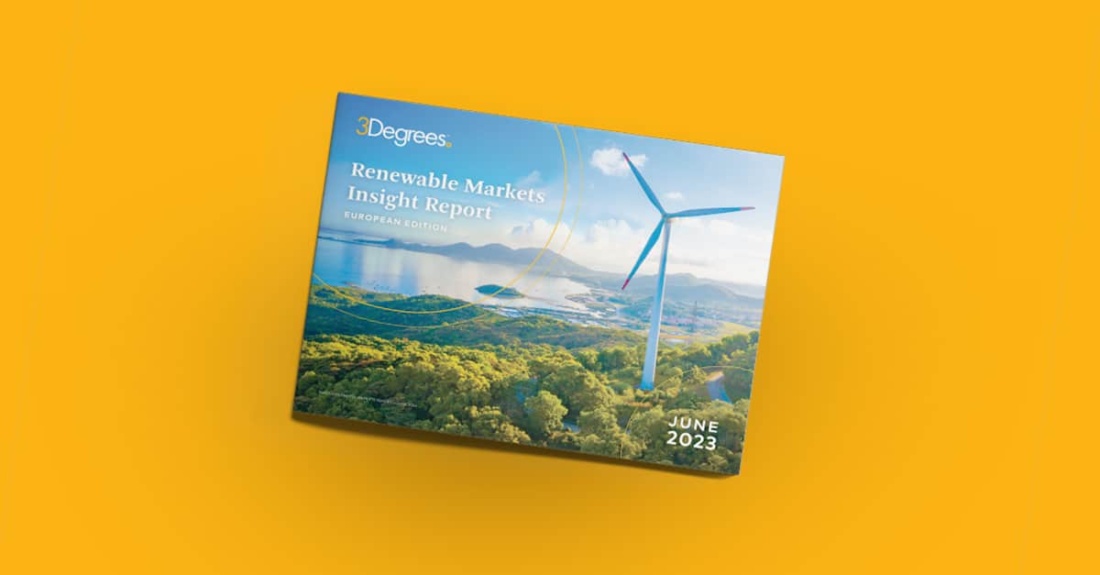
Download this European renewable markets report to explore wholesale markets, PPA price trends, the regulatory environment, and more.
Explore key developments in 2022 and 2023 as corporate demand drives the guarantees of origin (GO) market amidst Europe’s renewable energy volatility.

It is valuable for every company to have familiarity with the framework set out by the Task Force on Climate-Related Financial Disclosures (TCFD), and with climate-related risks and opportunities more generally. In this article, we’ll explain why. The cascading effect of climate reporting Over the past few years, we have been witnessing voluntary sustainability reporting […]

We were happy to join E-World, Europe’s biggest energy trade show, in Essen, Germany on 23-25 May. Since last year’s conference, the landscape of the energy sector has continued to change. The second half of last year was marked by roaring energy prices that started to cool off after some months. In addition, there were […]
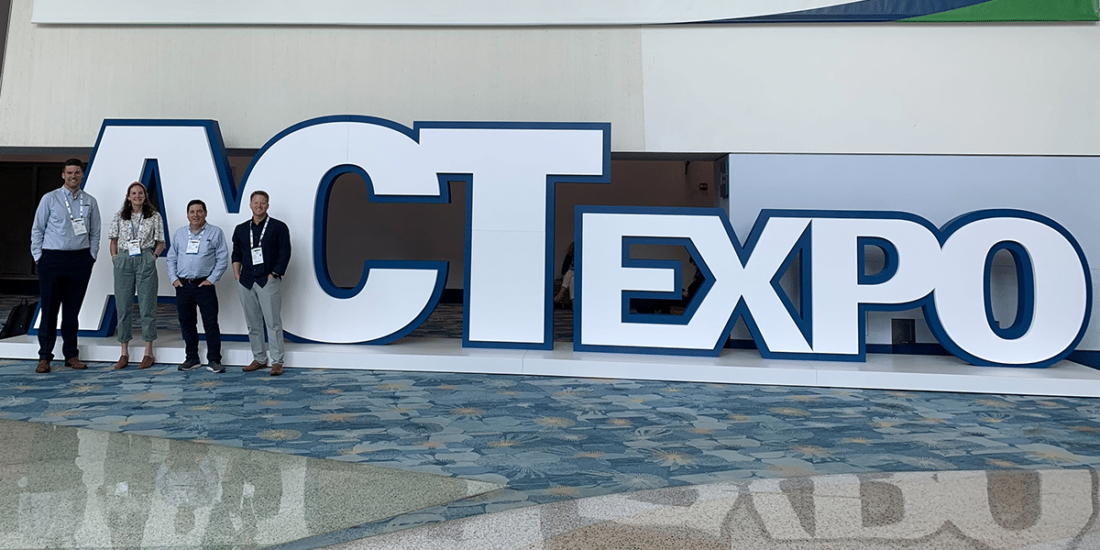
Earlier this month, 3Degrees had the opportunity to join other transportation industry players at Advanced Clean Transportation (ACT) Expo, a growing sustainable mobility conference with no signs of slowing down. The transportation transformation is happening right before our eyes, and it’s never felt more real than it did at ACT. Over 10,000 attendees gathered to […]
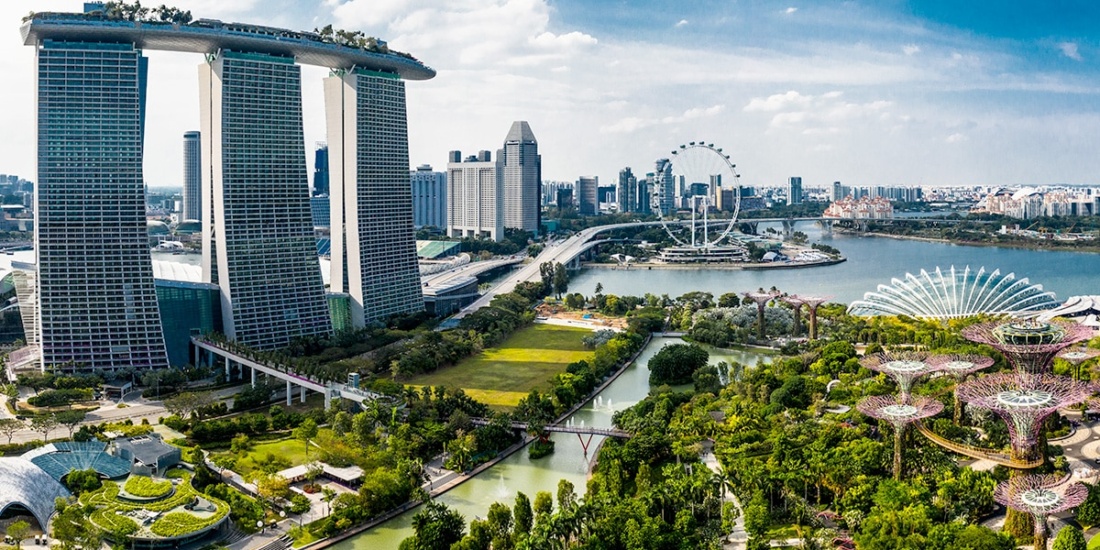
Three years ago, a cohort of 3Degrees employees prepared to travel to Singapore for the inaugural Renewable Energy Markets (REM) Asia conference – a welcome expansion of the REM conferences that have been hosted by Center for Resource Solutions in the United States for over twenty-five years. However, due to the COVID-19 pandemic, this conference […]
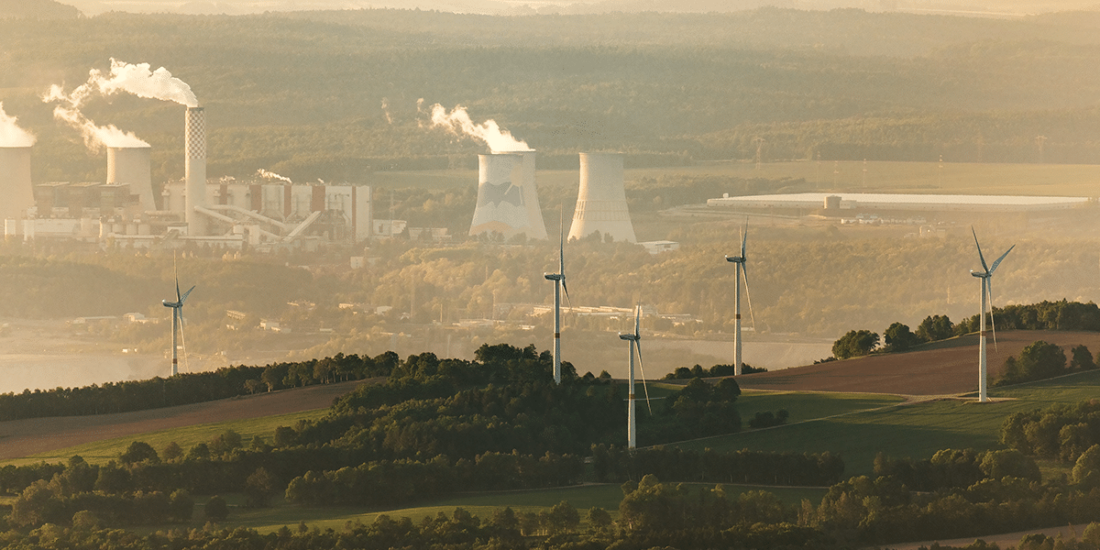
When looking at the EU grid emission intensity, any company with European-based operations looking to decarbonise their activities would consider a power purchase agreement (PPA) as a natural step to tackle their scope 2 emissions. Hereafter, selecting the project location is a crucial factor to ensure that the energy project has the maximum climate benefit. […]

On April 18, 3Degrees travelled to London to attend the ESG Europe event convening finance professionals, software companies, and consultants to discuss ESG best practices and methodologies to manage risks. The event covered a range of topics, from regulatory requirements and climate risk assessment to the ever-challenging data accuracy. I had the pleasure of speaking […]
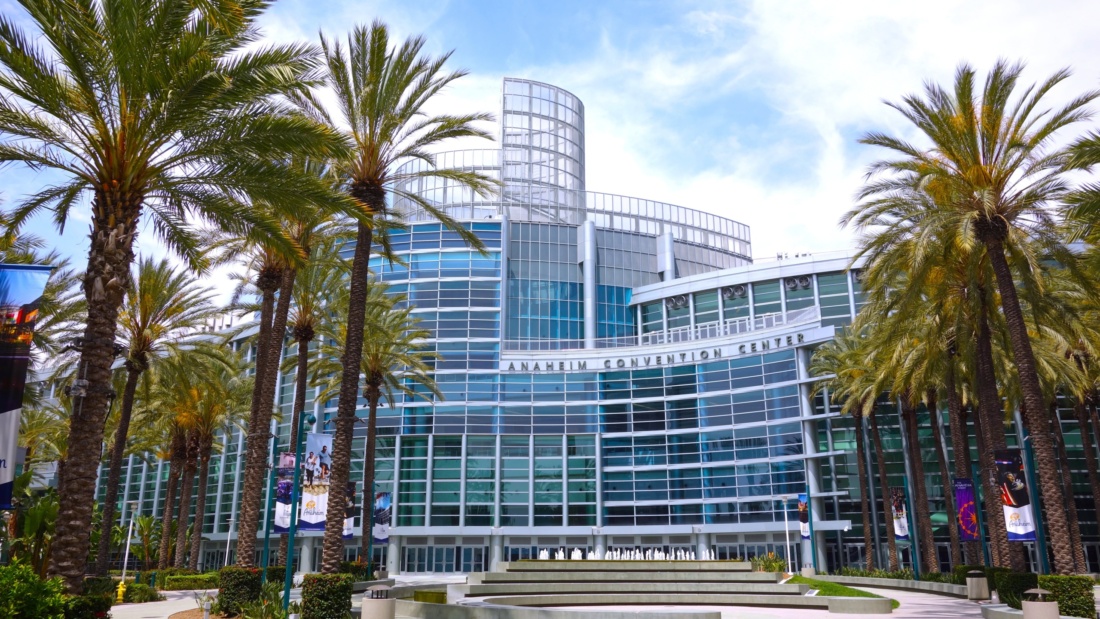
In late March, I had the pleasure of joining my colleagues and peers at the 20th anniversary of North America Carbon World (NACW) in Anaheim, California. Yes, I said the same thing – “Twenty years – wow!”. NACW is one of the premier events for all things carbon, and one that I look forward to […]

Understanding how climate risk reporting is evolving has escalated in priority for many businesses and investors as they remain increasingly alert to the impact of climate change on their operations and decision-making. Aware of this need, 3Degrees participated in the TCFD and Climate Risk Reporting event in London in March where I had the pleasure […]