
Corporations will play an essential role in transitioning to net zero emissions no later than 2050. With the size of their environmental footprints – and their capacity to reduce them – companies will be critical in scaling the action needed to ensure a sustainable future. The United Nations High-Level Expert Group on the Net-Zero Emissions […]
Every year, the Conference of the Parties (COP), hosted by the United Nations Framework Convention on Climate Change (UNFCCC), brings together world leaders to align on policies to limit global temperature rise and mitigate the worst impacts of climate change. This year’s 27th summit took place in November in the city of Sharm El-Sheikh, Egypt, […]

At nearly every conference that we have attended this year, our teams have heard about the complexities surrounding quantifying and addressing supply chain emissions. As we know supply chain emissions account for the lion’s share of a company’s total emissions (upwards of 90% in some cases), it was satisfying to attend an entire conference devoted […]
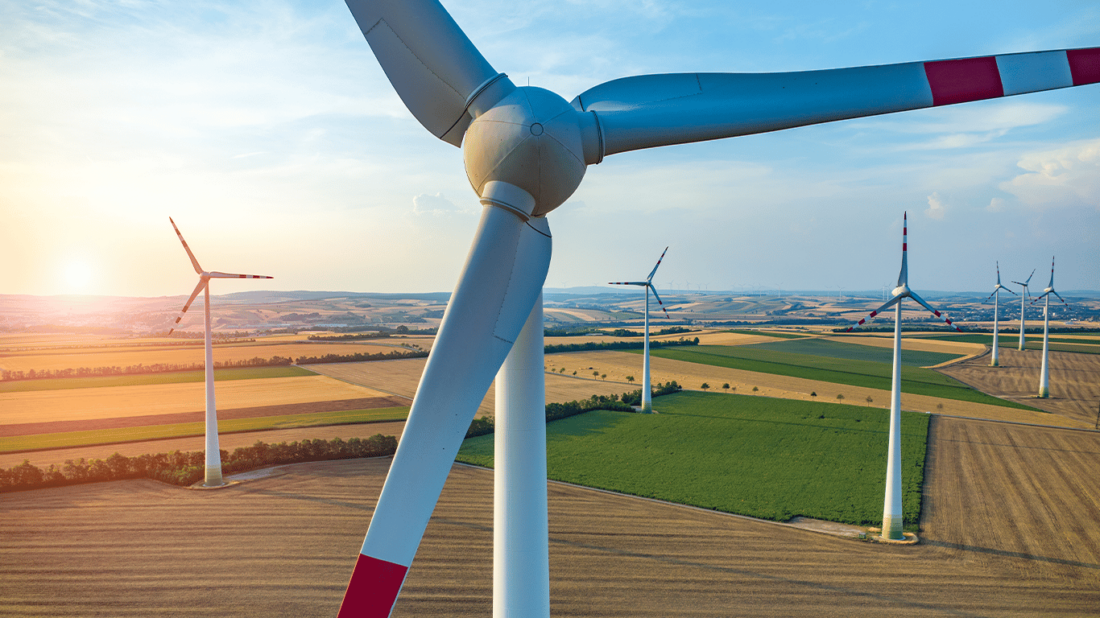
With limited time and vast need, Europe is preparing for a rapid energy transition away from fossil fuels and toward renewable resources.
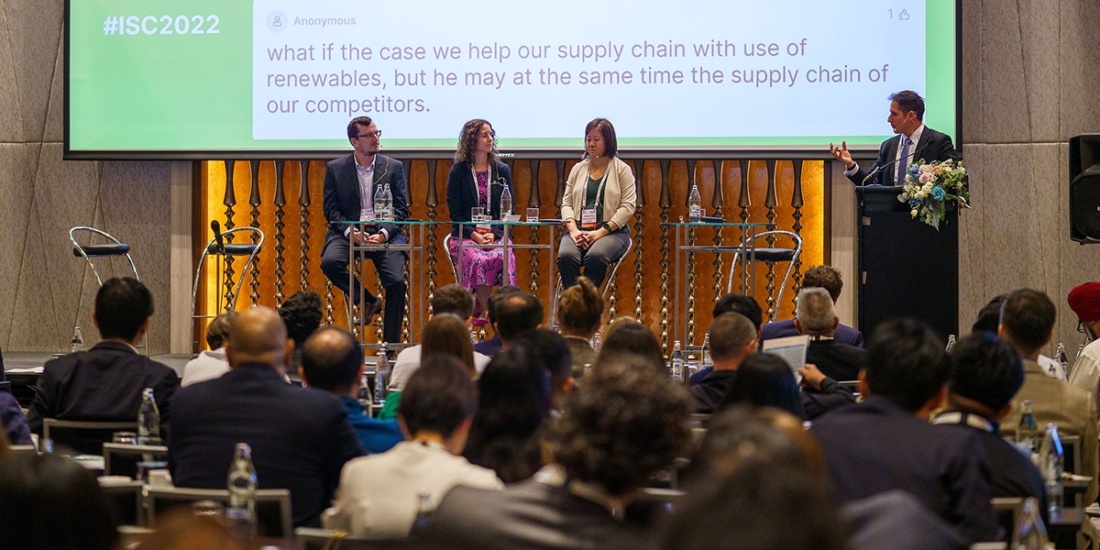
In early November, I met up with several 3Degrees team members from around the globe at the first I-REC Standard Conference (ISC) in Bangkok, Thailand, to discuss the expansion of renewable energy markets worldwide. It was stimulating to engage with so many industry peers from more than 30 countries to discuss a common topic: standardizing […]
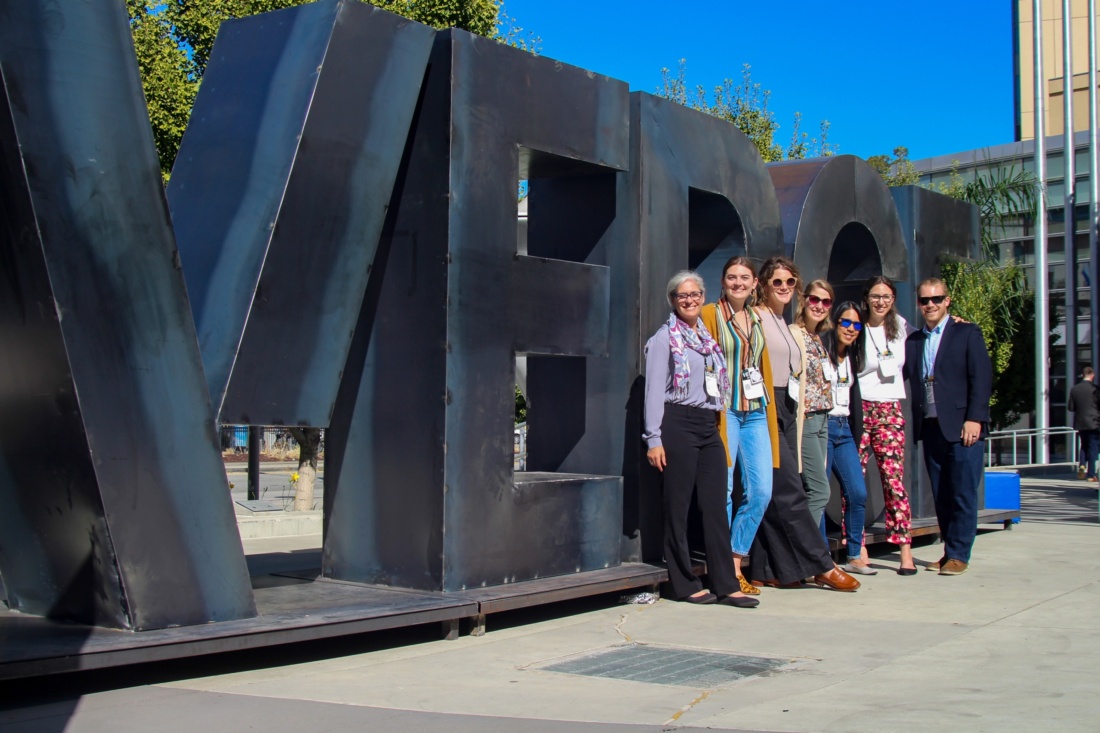
Staying vigilant in the fight against climate change can be a challenge, especially during a global pandemic that often makes efforts feel siloed. Returning in-person to GreenBiz’s annual VERGE Conference for the first time in three years offered an opportunity to share climate breakthroughs and accelerate climate solutions in real-time. This year, we sent 19 […]

Learn the basics of scope 3 GHG accounting, along with next steps your organization can take to setting impactful reduction plans.

Recent revisions to the RE100 technical criteria, published October 24, 2022, present new opportunities for current and prospective corporate members to align renewable electricity procurement with global grid decarbonization. To help members respond effectively, we’ve outlined the major changes, why they were made, and how to address remaining procurement limitations. HELPING CORPORATIONS ACHIEVE 100% RENEWABLE […]

This past month took me across the country and back to listen to keynotes, engage in dialogue, and learn about the latest innovation in clean mobility across the transportation sector. My first stop was at a conference called Move 2022 in Austin, Texas, and the second was American Greentech and Decarbonizing Maritime Shipping Forum in […]
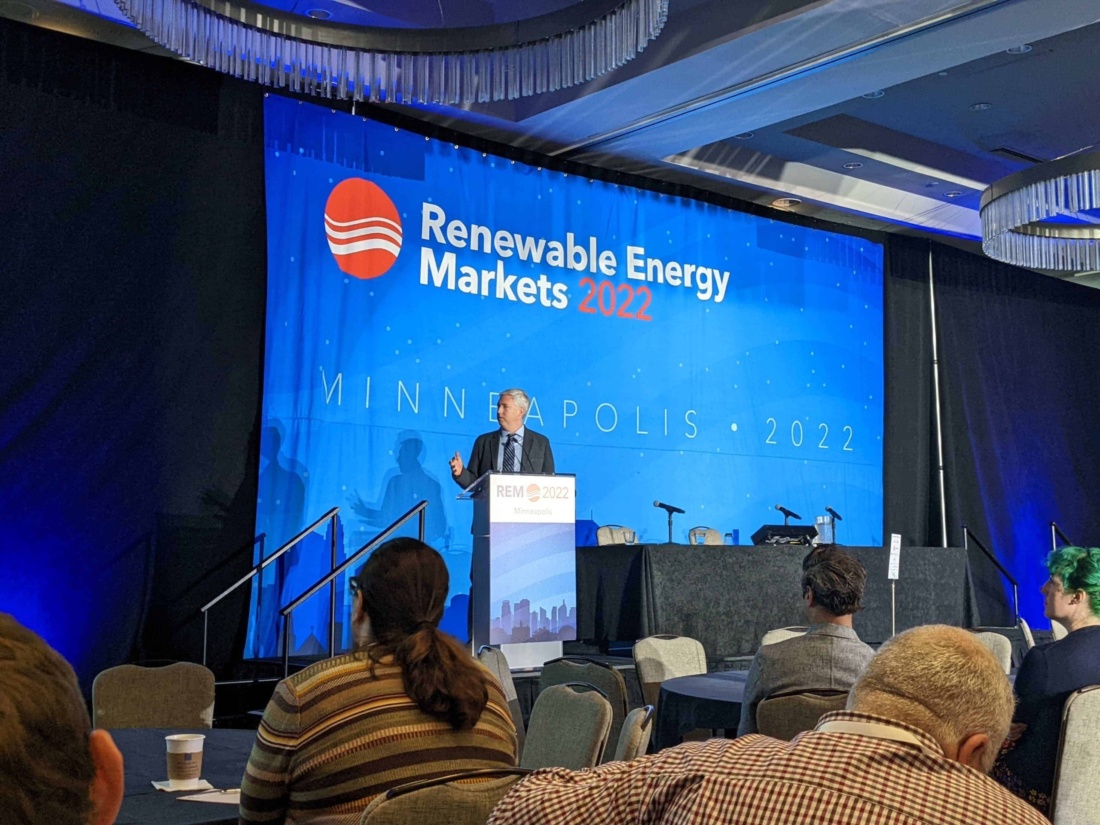
Last month, 3Degrees showed up in full force at the annual Renewable Energy Markets Conference, one of the industry’s most important clean energy events. The event focuses on the states, businesses, organizations and households that choose clean electricity. Each year, industry professionals gather for REM to understand emerging policy trends, exchange market best practices, and […]

On October 11, 2022, Terese Decker, Director, Energy & Climate Practice, discussed the growing urgency around corporations setting credible climate goals. She then takes us through the four steps your organization can follow to develop credible, actionable climate goals in this webinar: In Setting Corporate Climate Goals, Credibility is Key. Catch up on on the […]
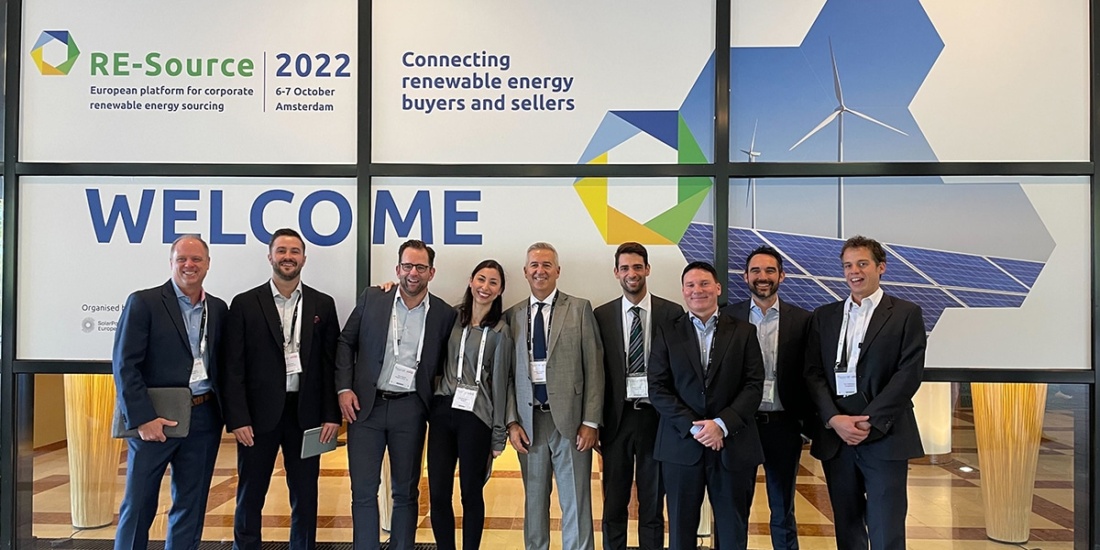
During the first week of October, some of my European colleagues and I had the pleasure of attending RE-Source in Amsterdam. Over 1,000 key energy players and businesses, including more than 200 buyers, gathered to discuss and enhance their direct renewable energy sourcing and mitigate their risks. Given the uncertainty of the current energy and […]