
Explore this article to understand the fundamentals, benefits, and considerations of Power Purchase Agreements and Virtual Power Purchase Agreements.
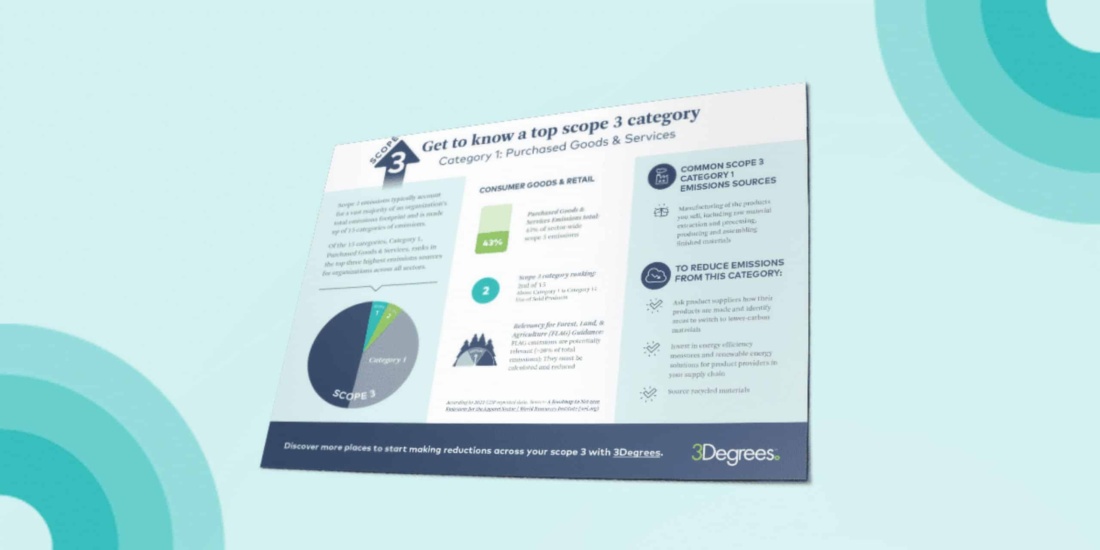
Download our sector-specific guide to learn why Category 1 ranks among the highest scope 3 emissions sources for organizations across all sectors.

Explore various carbon removal strategies, key market insights, and actionable steps for integrating these solutions into their decarbonization efforts.

Learn how Lime worked with 3Degrees to procure a global energy attribute certificate (EAC) portfolio.

The SEC’s new climate-related disclosure rule is complex, so we break down the key highlights in our latest infographic. Check out our blog post for more detailed information or get in touch with one of our climate experts to see how the rule may affect your organization.

After reviewing the final SEC climate-related disclosure rule, we will walk you through the key aspects, implementation timing, and more.

Almost 2.5 years after the Science-based Targets Initiative (SBTi) first introduced the concept of “Beyond Value Chain Mitigation” in its Corporate Net-Zero Standard, this week the prominent climate standards organization released its detailed Beyond Value Chain Mitigation guidance, totaling nearly 200 pages. To contribute to “Beyond Value Chain Mitigation” (BVCM), companies support efforts to reduce […]

What is carbon insetting and how does insetting work? Companies are diligently working to reduce their direct emissions and energy purchases—known as scope 1 and scope 2 emissions—to meet corporate sustainability targets. However, the majority of emissions for most organizations stem from indirect sources within their extensive value chains, categorized as scope 3 emissions. Carbon […]

The double materiality assessment (DMA) and successful stakeholder engagement are crucial to corporate sustainability reporting.

Navigate the complexities of science-based FLAG target setting with insights on what it is, key criteria, differences from other targets, and solutions to common challenges.
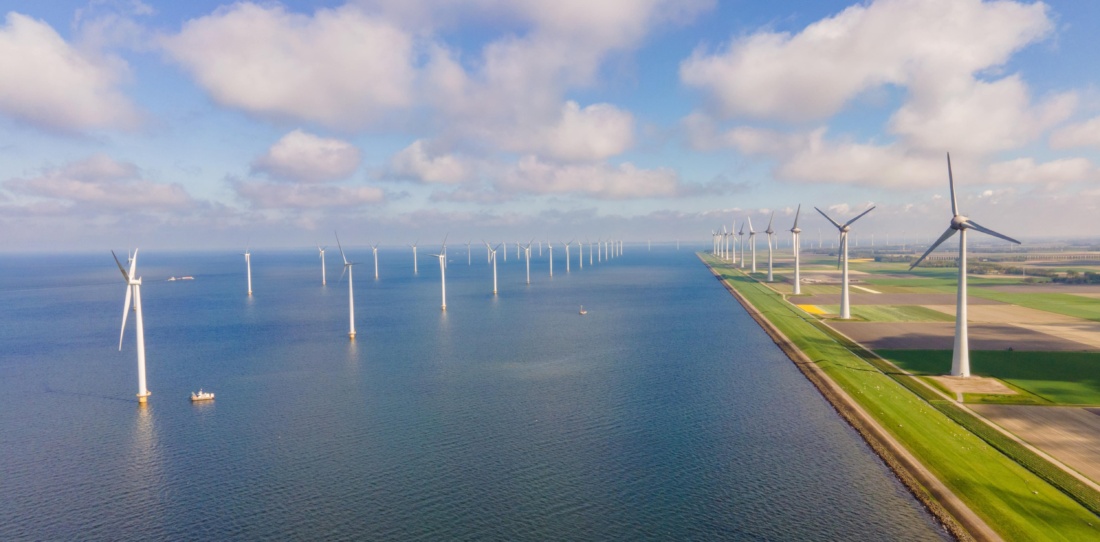
Learn more about guarantees of origin (GOs) and how purchasing them is one way many companies in Europe are meeting sustainability goals, namely scope 2 targets.