Short-lived climate pollutants (SLCPs)—also known as superpollutants—are dominating sustainability conversations and reshaping corporate climate priorities. While carbon dioxide is still the primary long-term driver of climate change, superpollutants account for nearly half of all global warming to date.
Unlike carbon dioxide, which lingers in the atmosphere for centuries, SLCPs break down in years or decades. Because of this short lifespan, targeting superpollutants delivers immediate, near-term cooling benefits and provides the fastest, most effective way to slow global temperature rise over the next 10 to 20 years—acting as a critical “emergency brake” on near-term warming.
This urgency is reshaping the carbon market landscape. Following years of heavy market focus on carbon removals and shifting dynamics around land-use or avoidance credits, the climate community is emphasizing non-carbon dioxide avoidance and destruction. While removals remain important, they prevent the immediate warming spikes caused by fugitive methane or industrial gases.
Major climate frameworks and voluntary market standards are aligned on the importance of high-integrity, immediate-impact abatement:

Superpollutant destruction qualifies for top-tier categories under the Integrity Council for the Voluntary Carbon Market’s (ICVCM) Core Carbon Principles (CCP) label, and aligns with guidance from the Science Based Targets initiative (SBTi).

Recent joint research and guidance from leading climate buyers and research entities—including Google’s framework on Sustained Neutralization of the Warming Response to Emissions through a Portfolio of GHG Mitigation Strategies and Relae’s (formerly Carbon Direct) report on Integrating Superpollutant Mitigation into Corporate Climate Action—strongly advocate for addressing warming impact via high-potency GHG mitigation.

Under expanding regulatory disclosure mandates (such as California’s AB 1305 and SB 253) and heightened scope 3 scrutiny, sustainability leaders need emissions reductions backed by concrete, measurable, and highly defensible math.
Whether managing massive data center energy demands in technology, mitigating operational footprints in heavy industry, or working in any other emissions-heavy field, addressing superpollutants is no longer optional—it is essential to reaching net zero targets.
Understanding superpollutants
Superpollutants are non-carbon dioxide greenhouse gases and short-lived climate forces with global warming potentials (GWP) that are significantly higher than carbon dioxide.
The largest superpollutants are:
| Superpollutant | Primary Sources | Global Warming Potential (GWP) & Impacts |
|---|---|---|
| Methane (CH4) | Landfills, agriculture, oil & natural gas supply chains |
|
| Hydrofluorocarbons (HFCs) | Refrigerants, commercial HVAC, data center cooling |
|
| Nitrous Oxide (N2O) | Agricultural fertilizers, chemical manufacturing |
|
| Black Carbon (Soot) | Industrial thermal processing, heavy diesel combustion |
|
Key organizational & industrial emission sources
For sustainability managers analyzing their operational and scope 3 footprints, superpollutants frequently originate in specific processes:

Fugitive HFC leaks from large-scale chillers, server cooling loops, cold storage supply chains, and industrial refrigeration during maintenance, aging, or equipment retirement.
Nitrous oxide emissions from nitric acid (used in fertilizer production) and adipic acid (used in nylon/synthetic fiber manufacturing) production, alongside HFCs from fluorochemical processing.

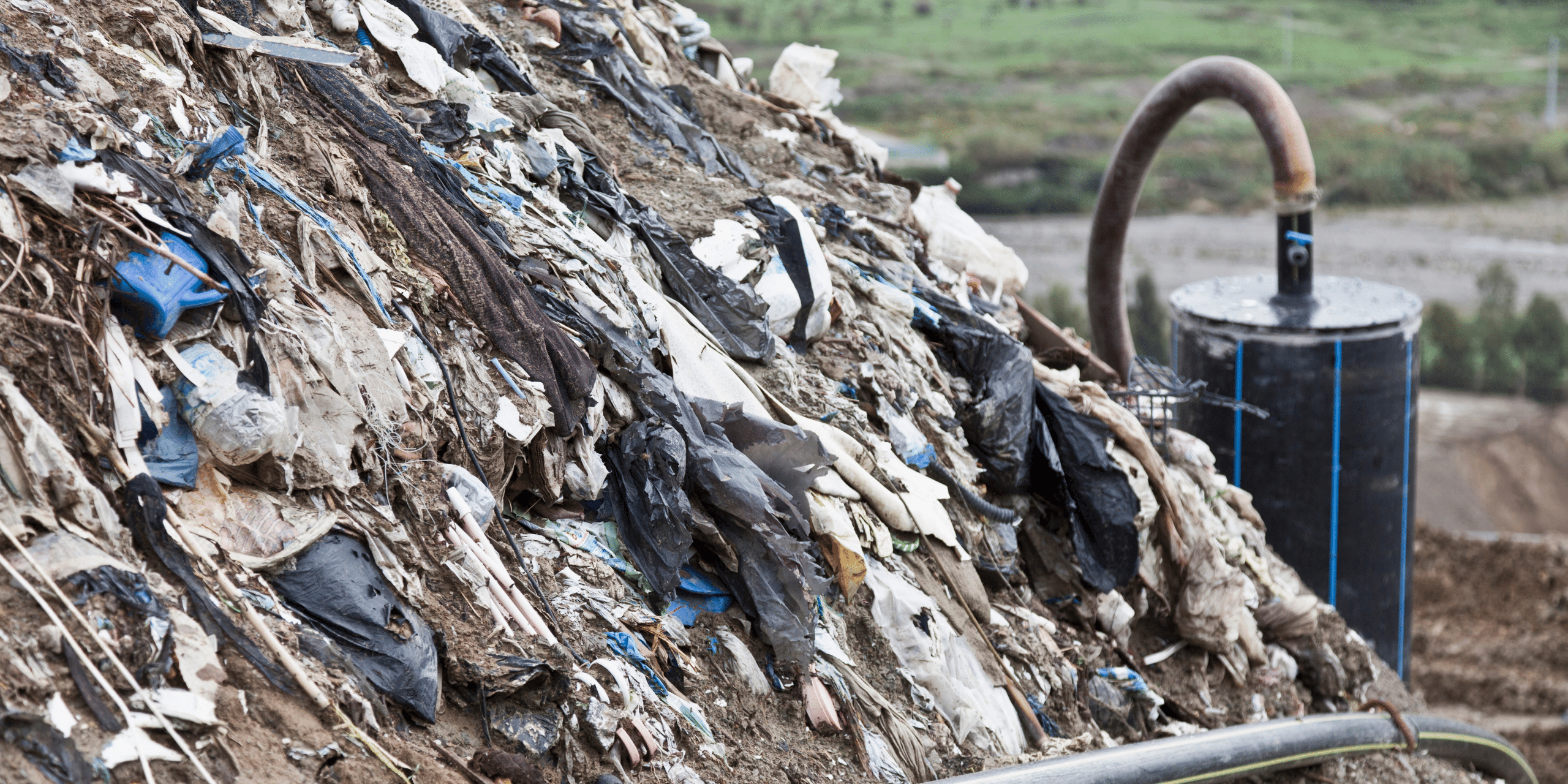
Anaerobic decomposition of organic waste in municipal solid waste (MSW) landfills and industrial wastewater facilities generating fugitive methane.

Metered-dose inhalers (MDIs using HFC-134a/HFC-227ea) and ultra-low temperature (ULT) freezers used in healthcare, pharmaceutical storage, and blood banks.

Black carbon emissions resulting from the incomplete combustion of heavy fuel oil, biomass, or coal in smelting furnaces, kilns, industrial boilers, and backup diesel power systems.
High-impact carbon projects: Addressing superpollutants at the source
While direct decarbonization and equipment upgrades are critical, high-integrity carbon credit projects enable organizations to abate residual superpollutant emissions at scale directly at the source.
Key superpollutant carbon project categories
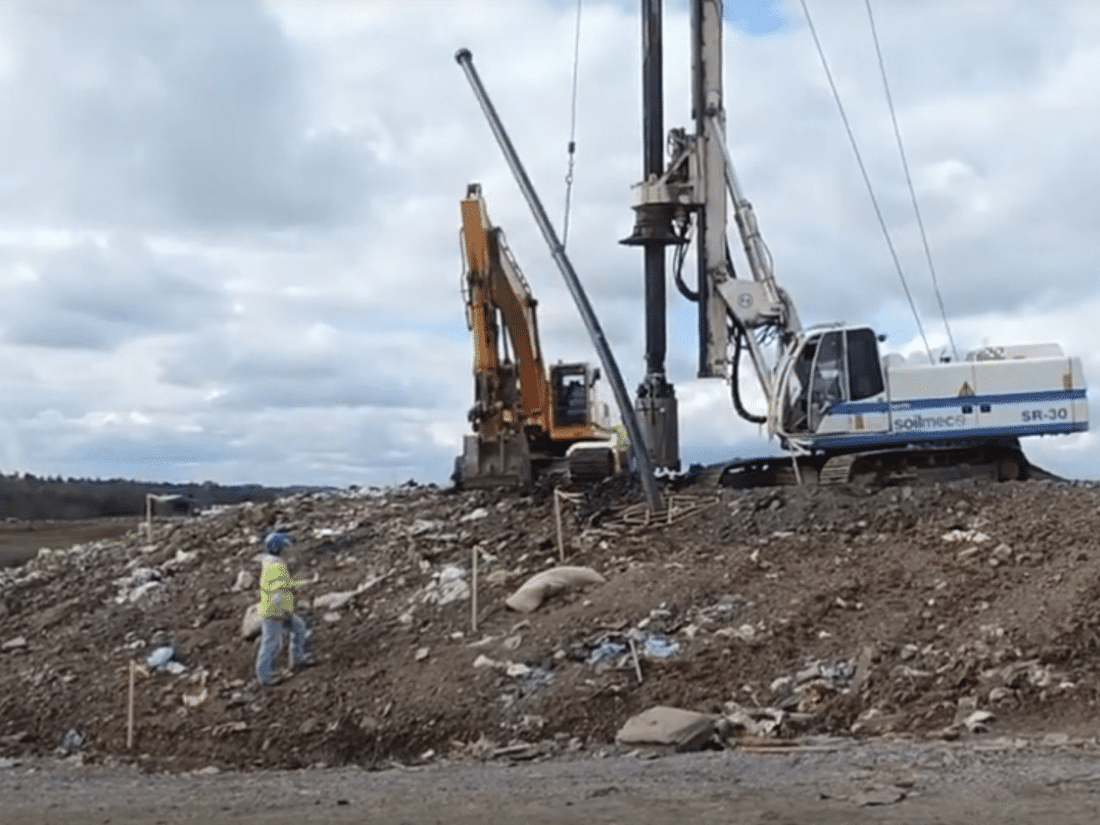
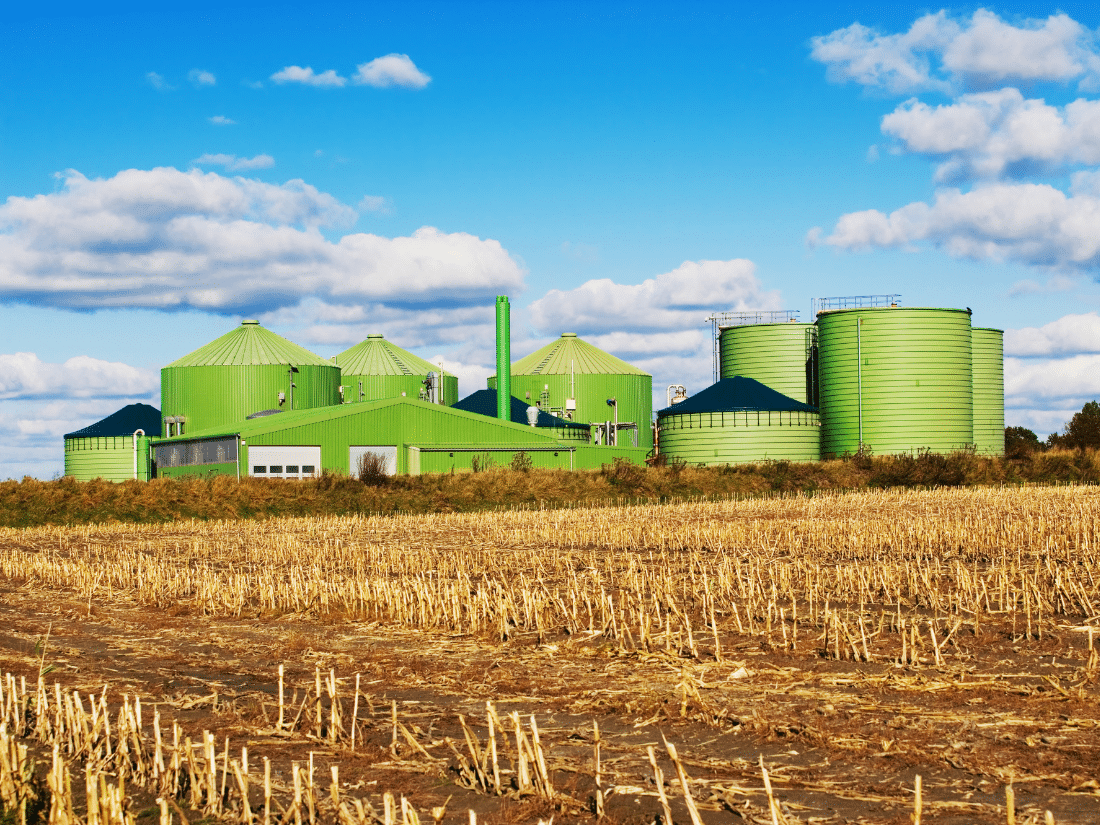
In the United States alone, more than 2,000 active landfills release over 120 million metric tons of CO2 of methane annually. These landfills typically produce methane for over 40 years. LFG projects capture this fugitive methane to either flare it safely or direct it to onsite engines which generate electricity for the grid. These projects provide highly verifiable and permanent emission reductions that satisfy strict corporate due diligence requirements.
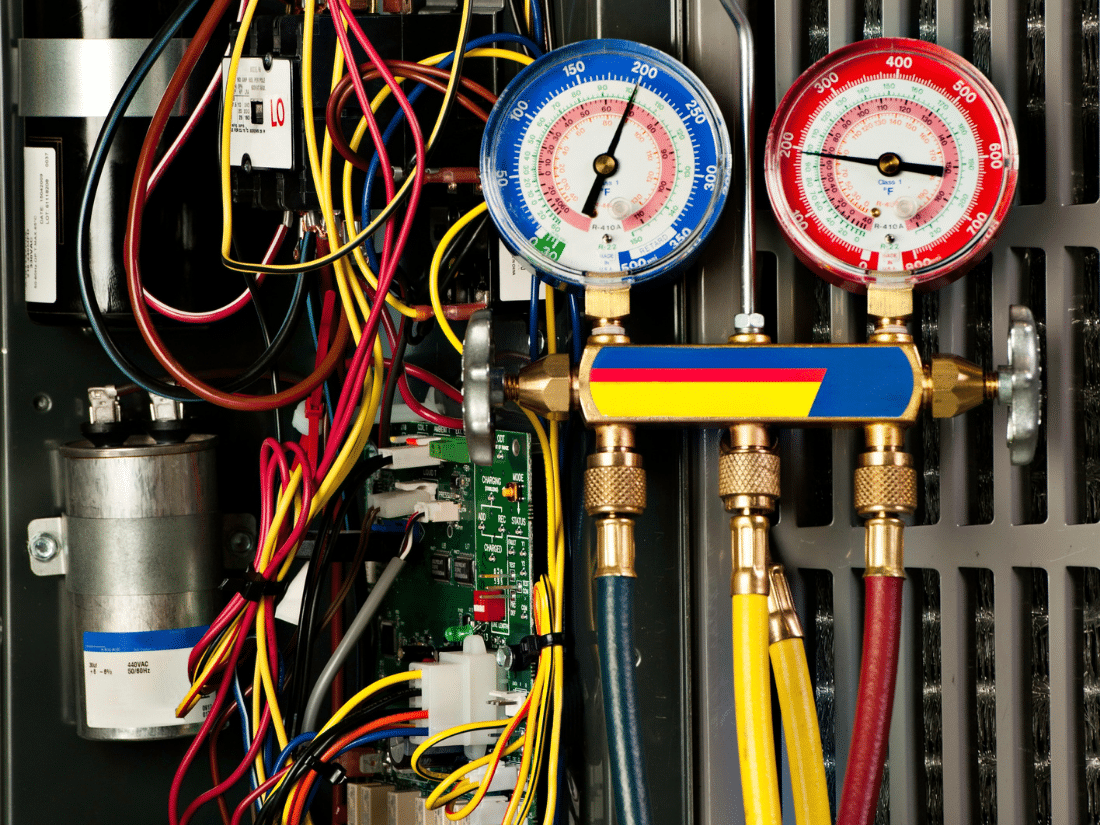
Projects that retrofit old or construct new refrigerant systems using lower GWP systems in commercial settings. Some project types avoid the use of high GWP HFCs in residential and commercial buildings, while other project types safely destroy Ozone Depleting Sources (ODS) before they leak into the atmosphere.
Installation of anaerobic manure digesters on dairy and livestock operations, alongside industrial catalytic abatement technology that destroys N2O in chemical manufacturing plants.
Superpollutant carbon project examples:



Take action on superpollutants
Navigating superpollutant mitigation requires balancing high climate impact with rigorous market integrity. And it’s a non-negotiable piece of any decarbonization roadmap.
Integrating superpollutant projects into your climate portfolio delivers fast, measurable cooling impact while reinforcing your organization’s commitments under emerging regulatory frameworks and market best practices.
Ready to evaluate superpollutant carbon credits?
As a premier LFG project developer with decades of market experience, 3Degrees develops and maintains a vast portfolio of CCP-eligible projects.

LFG capture was one of the first project categories to earn approval for the ICVCM’s prestigious CCP label.
We ensure high integrity and alignment with rigorous ICVCM standards.
Beyond our LFG project pipeline, 3Degrees leverages an extensive supply network to provide access to refrigerant destruction, industrial N2O abatement, and tailored regional carbon credits aligned with your procurement strategy.
Explore high-integrity superpollutant options tailored to your corporate goals
Consult with 3Degrees’ carbon markets team today.